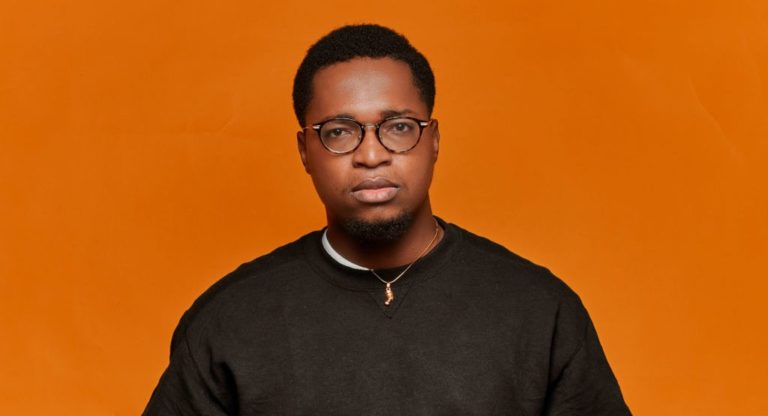
Ghanaian rapper, Kojo Cue, has opened up about the intense personal challenges that led him to temporarily step away from his music career.
Speaking in an interview with ZionFelix, he revealed that a series of personal struggles in 2020 significantly impacted his mental health, to the point where he felt disconnected from his creative drive.
Cue explained that life was not unfolding as he had hoped, and his inability to cope effectively pulled his attention away from music entirely.
The situation became so dire that he ceased all musical activity for nearly two years. At one point, he made the difficult decision to give away his studio equipment, convinced he would never return to the music scene.
As his mental state worsened, Kojo Cue also took the drastic step of deleting all his social media accounts. He believed the disconnect from online platforms was necessary to regain clarity and to engage in more meaningful, real-world conversations.
According to him, the tone and narratives on social media felt far removed from reality and stepping away allowed him to reconnect with people in a more authentic way.
During his hiatus, he has redirected his focus toward family life and low-profile business ventures, consciously keeping a distance from the spotlight and the online world.
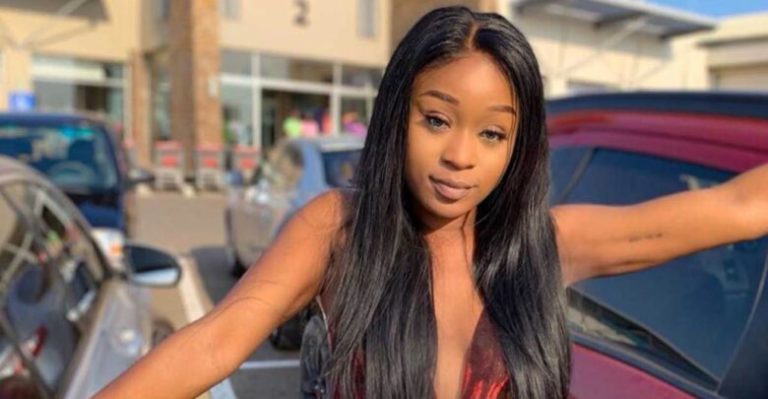
Efia Odo has weighed in on the ongoing discourse surrounding women and body enhancement, asserting that such procedures do little to dispel underlying insecurities.
Taking to X, the Ghanaian socialite urged women to seek internal affirmation through Christ rather than resorting to physical alterations in pursuit of self-worth.
“Plastic surgery doesn’t fix insecurities. You must be self-validated within. Nothing outside of you can save you apart from being in Christ, because that’s your true self. Christ is not a religion; it’s one’s true self,” she wrote.
Plastic surgery doesn’t fix insecurities. You must be self validated within. Nothing outside of you can save yourself apart from being in Christ cuz that’s your true self. Christ is not a religion, it’s ones true self.
Her remarks follow recent comments by actress Yvonne Nelson, who also condemned cosmetic surgery, suggesting that those who opt for it often struggle with confidence.
“I feel that it is a mental thing. It is a lack of confidence,” she stated.
Yvonne went on to issue a cautionary note to young girls, highlighting the potential dangers of embarking on the path of bodily modifications.
“I do not expect any of you to do that, because the minute you do that, it never stops. The minute you alter any part of your body, you would want to alter another part. You would want a fuller lip. You would want a bigger ear. You would always want to change something about you,” she stated.
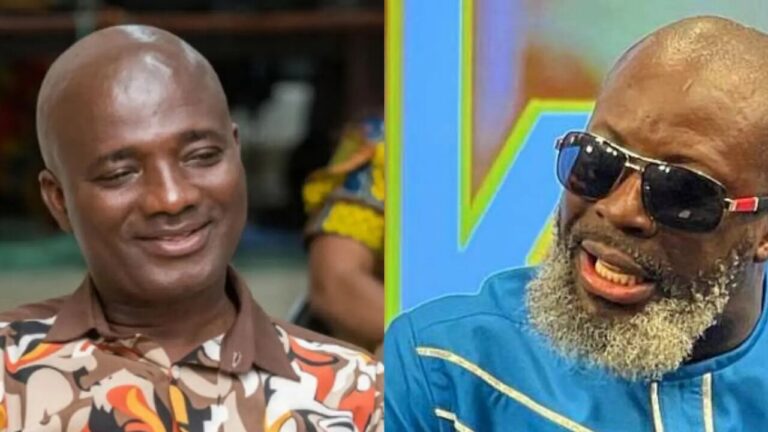
Controversial Ghanaian prophet and founder of Heaven’s Gate Ministries, Nicholas Osei, popularly known as Kumchacha, has finally broken his silence over recent jabs directed at him by outspoken social commentator Appiah Stadium.
In a video shared on his TikTok page, Prophet Kumchacha disclosed that Appiah Stadium personally sent him a video in which he made derogatory remarks about him.
According to Kumchacha, the persistent attacks appear to be a coordinated effort by Appiah Stadium and some other individuals who have consistently insulted him on various social media platforms.
Addressing the issue directly, Kumchacha expressed disappointment in Appiah Stadium’s actions and urged him to cease the unwarranted hostility.
The prophet clarified that he harbours no personal grudge against him and has no interest in engaging in a social media feud or any form of public confrontation.
“I have no problem with Appiah Stadium. I don’t understand where all this is coming from. I’m pleading with him to stop saying bad things about me,” Kumchacha stated.
In a bold remark during the video, Kumchacha also claimed that he is wealthier than Appiah Stadium, stressing that he owns more houses and cars.
He dismissed any assumptions of envy or rivalry, saying, “Why would I be jealous of him? I’m richer than him. I have more cars and houses.”
Guru has candidly shared the challenges of juggling his flourishing music career with tertiary education.
During an interview with Andy Dosty on Daybreak Hitz on April 14, 2025, the Ghanaian musician born Maradona Yeboah Adjei, disclosed that he was still pursuing his education when he dropped several hit tracks.
“Balancing music and academics is extremely tough, but I’ve managed to release a few songs that have performed impressively. Right now, Eye Nwanwa is topping the charts, and Bebree also made a significant impact,” he revealed.
The rapper elaborated on how he and his team find creative inspiration, drawing heavily from everyday life.
“We tap into what’s happening on the streets—the rhythms, the sounds we hear—and turn those into music. That’s our process. These songs met expectations, though in some cases, the core ideas came from external sources,” he noted.
Guru also addressed speculation surrounding his track Enkoyie, featuring Benji, which many listeners perceived as politically charged due to its references to “kakistocracy.”
While the song hints at broader societal themes, Guru clarified that its primary focus wasn’t political.
“Often, our songs are built around specific concepts. In this case, I developed a narrative within a larger theme. The song actually centered on relationships, not politics,” he clarified.
Despite not releasing a full album in nearly six to seven years, Guru affirmed his continued presence in the music scene, saying he prefers to release singles whenever inspiration hits.
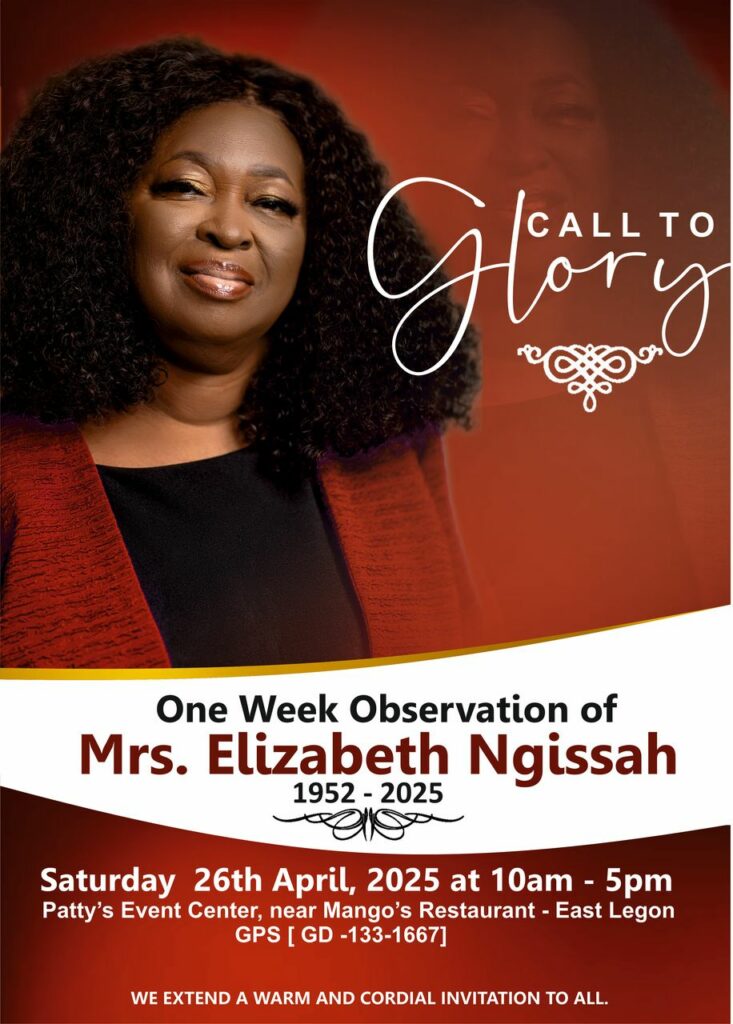
The date for the one-week observation for Roselyn Ngissah’s late mother has been officially announced.
The solemn ceremony honoring the late Madam Elizabeth Ngissah is scheduled for Saturday, April 26, 2025. It will be held at Patty’s Event Center, located near Mango’s Restaurant in East Legon, Accra.
Ghanaian actress Roselyn Ngissah broke the sad news of her mother’s passing via social media on Monday, April 7, 2025.
In her posts, she reflected on the remarkable legacy her mother left behind as a dedicated and compassionate educator who touched countless lives.
Accompanying a heartfelt tribute was a photo of her mother, captioned: “Mummy hmmmm…”
“To a dedicated educator, a mother to countless students, we pay tribute. For over forty years, you’ve nurtured, guided, and inspired generations of learners. Your unwavering patience, kindness, and generosity have made a lasting impact on the lives of your students. You’ve been a constant source of comfort, a listening ear, and a guiding light. Your legacy extends far beyond the classroom, as you’ve helped shape the minds and hearts of those who’ve had the privilege of being your students. We celebrate your selflessness, your passion for teaching, and your enduring commitment to making a difference in the lives of others. You are a true mother to many, and your influence will be felt for years to come. May you rest well mummy.”
In a separate Facebook post, Ngissah shared another emotional message: “Thank you for being a good mother. Thank you for being a good educator not just to me but to many other students. So yesterday when you said you were tired and wanted to rest… hmmmm. This is a forever rest. RIP Mumy.”
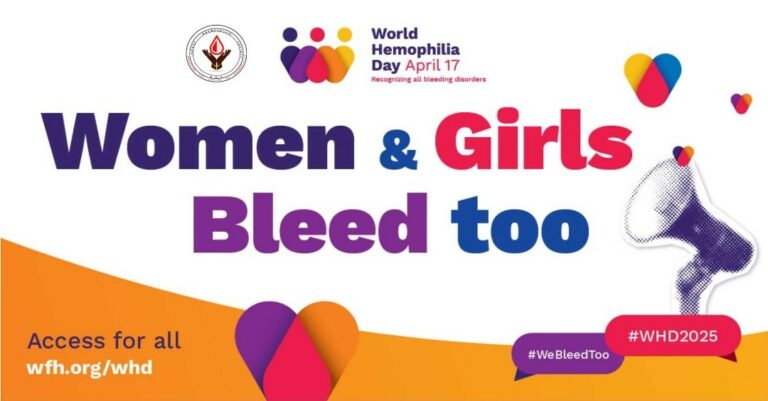
Each year, on April 17, the world unites to raise awareness about haemophilia and other inherited bleeding disorders. The theme for World Haemophilia Day 2025, “Women and Girls Bleed Too,”seeks to challenge long-held assumptions that bleeding disorders affect only males. While haemophilia is more frequently diagnosed in males, many females also live with symptoms of undiagnosed or misdiagnosed bleeding disorders—left without treatment or support.
What is a Bleeding Disorder?
Bleeding disorders are medical conditions where the blood does not clot as it should. This happens because certain essential components needed for clotting are missing or not working properly. As a result, individuals may experience prolonged bleeding, either spontaneously or after injury, surgery, or childbirth. Bleeding disorders may be inherited (passed down from one or both parents through genes) or acquired (developing later in life due to other medical conditions, medications, or unknown causes).
Types of bleeding disorders include:
Haemophilia A and B – Inherited conditions (mostly affecting males) where clotting factors VIII or IX are deficient. Women and girls can also have symptoms, even if they carry the gene or have low factor levels.
Von Willebrand Disease (vWD) – The most common inherited bleeding disorder, affecting both men and women, often leading to easy bruising, nosebleeds, and heavy periods.
Other rare disorders – Include platelet function disorders and deficiencies of other clotting factors.
Common signs and symptoms:
Frequent nosebleeds or bleeding gums
Heavy or prolonged menstruation
Unexplained bruises
Blood in urine or stools
Painful, swollen joints or muscles from internal bleeding
Excessive bleeding after surgery, dental work, or childbirth
Management: While these bleeding disorders cannot be cured, they can be effectively managed. Treatment may include clotting factor replacement therapy, antifibrinolytic medications, hormone treatments for menstrual symptoms, and supportive care from specialized health professionals. Early diagnosis is key to improving quality of life.
The Global and Ghanaian Landscape
According to the World Federation of Haemophilia’s 2023 Annual Global Survey, there are 390,630 identified individuals worldwide living with bleeding disorders. Of these:
56% have haemophilia
26% live with von Willebrand Disease (vWD)
18% are diagnosed with other bleeding disorders
Of this global population, 65% are male and 34% are female, revealing a significant representation of females, many of whom experience symptoms that go unnoticed or are wrongly attributed to other causes.
In Africa, the expected number of people living with haemophilia is 93,985, but only 8% have been formally identified. In Ghana, the estimated prevalence of haemophilia is 7,131, yet the number of diagnosed cases is 525 (critically low)—an indication of serious gaps in diagnosis and access.
These statistics reveal a stark reality: thousands of people in Ghana may be living with bleeding disorders without knowing it—and many of them are women and girls.
A Silent Burden on Women and Girls
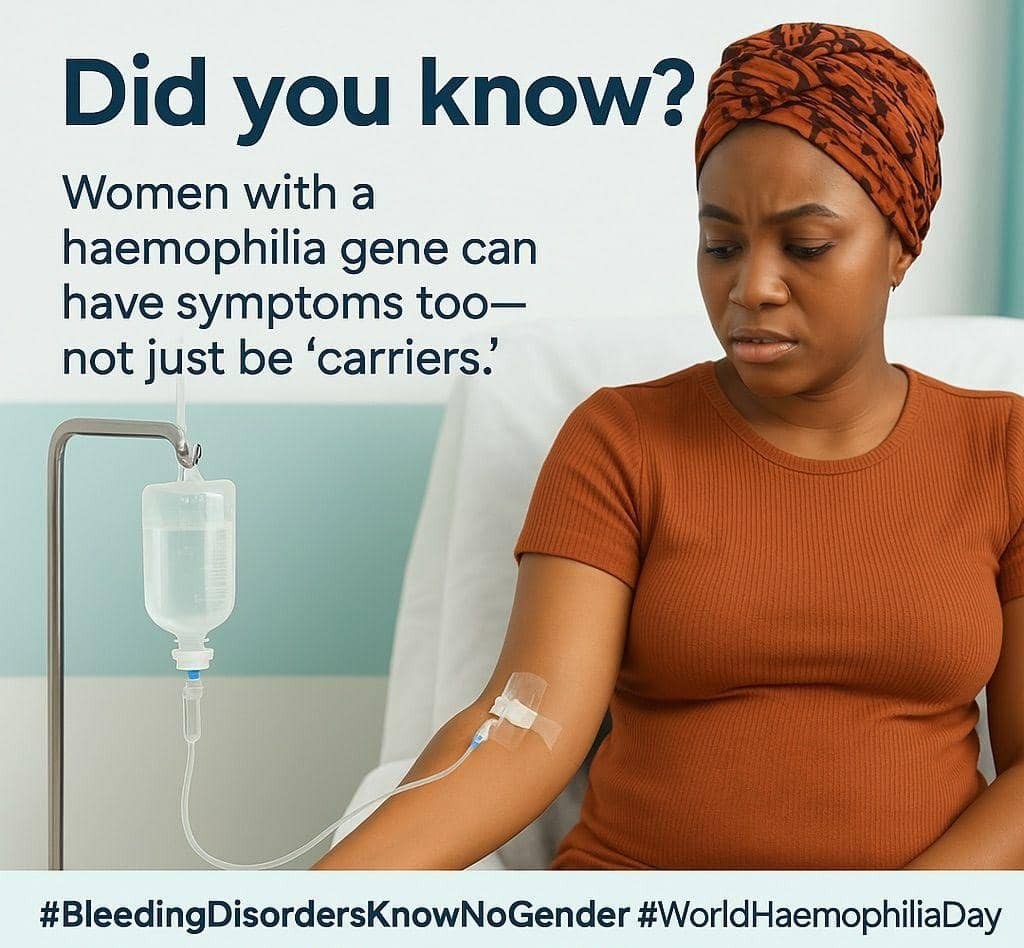
Females can also experience bleeding symptoms as carriers of the haemophilia gene or through other inherited disorders like von Willebrand Disease.
Women and girls may suffer from:
Heavy, prolonged menstrual bleeding
Excessive bleeding during childbirth or surgeries
Unexplained bruising
Too often, women and girls are told that heavy periods are just something they have to live with, but in many cases, this is a sign of an underlying bleeding disorder. We must listen to them and take their symptoms seriously.
A Call to Action
This year’s theme is a powerful reminder that the narrative must change:
Women and girls bleed too.
Women and girls deserve equitable access to diagnosis and treatment.
Their voices must be heard.
We must launch public education campaigns addressing inequity in care while creating a safe, stigma-free space for women and girls to share their experiences.
In Ghana, key institutions such as Korle Bu Teaching Hospital and Komfo Anokye Teaching Hospital—with immense support from the World Federation of Haemophilia and the Ghana Haemophilia Society—are making important strides to improve haemophilia care.
Despite these efforts, critical gaps remain, particularly in access to diagnostics, treatment, and specialized care. Addressing these challenges requires a collective call. Government bodies, public health agencies, civil society organizations, and individuals should come together to ensure that every person living with a bleeding disorder receives equitable and timely care—regardless of gender, geography, or financial means.
“Women and Girls Bleed Too” is not just a theme—it’s truth.
Let us ensure that no woman or girl living with a bleeding disorder in Ghana is left behind. When we listen to them and provide the care they deserve, we improve outcomes not just for individuals but for families, communities, and our entire country.
By Drs Adwoa Agyemang Adu-Gyamfi and Eunice Agyeman Ahmed
In collaboration with the Ghana Haemophilia Society
Sarkodie’s decision to take legal action against Ecobank has ignited widespread discussion across social media platforms.
The debate has been polarized: while some critics question the legitimacy of the lawsuit, pointing out that the image in question wasn’t Sarkodie himself but merely a lookalike, others believe the SarkCess Music CEO has a compelling case grounded in intellectual property law.
Amid the back-and-forth, Sarkodie’s longtime disc jockey, DJ Mensah, has weighed in on the discourse. Taking to X, in a post sighted by Zionfelix.net, DJ Mensah addressed the growing wave of public legal opinions.
“I like how everyone’s suddenly a legal expert. Your opinion isn’t the law … 2 different things. Opinions are free, but justice isn’t. Until a ruling is made, all we have is speculation,” he wrote.
I like how everyone’s suddenly a legal expert. Your opinion isn’t the law … 2 different things. Opinions are free, but justice isn’t. Until a ruling is made, all we have is speculation.
The controversy stems from a circulating court document indicating that Sarkodie has filed a lawsuit at the Commercial Division of the High Court in Accra.
The rapper alleges that Ecobank Ghana Limited featured an image that bore a strong resemblance to him in an advertisement without seeking his permission, an act he contends infringes upon his intellectual property rights.
According to Sarkodie, the bank’s unauthorized use of a lookalike has inflicted both reputational harm and financial loss.
He is, therefore, seeking general damages, a permanent injunction to halt the continued use of the disputed image, and a court order for the immediate removal of all associated promotional content, both digital and print.
As of now, Ecobank has yet to issue an official response to the claims.
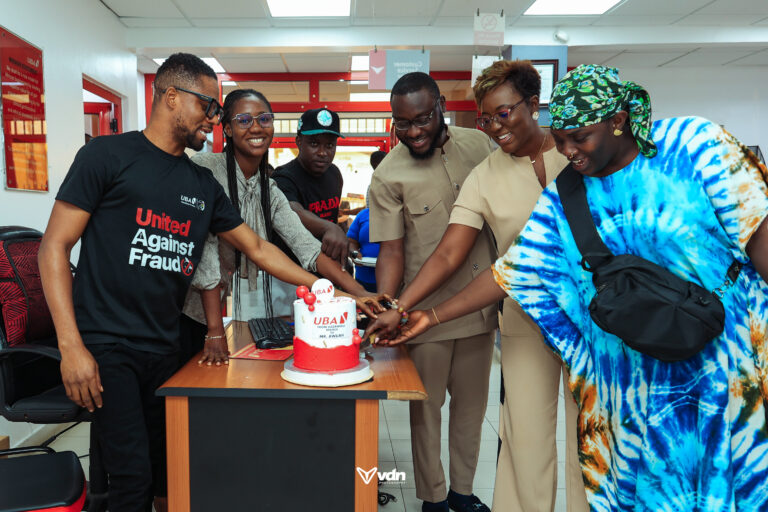
The United Bank for Africa (UBA) Ghana surprised renowned digital marketing expert Gorbachev Awuah—popularly known as Rems—with a heartfelt birthday celebration at one of its branches. The surprise unfolded when Gorbachev Awuah was invited to the bank to resolve an account issue. Upon his arrival, he was greeted with a customized birthday cake bearing his name, and the celebration was shared with customers present at the time.
Gorbachev Awuah, a prominent figure in Ghana’s Digital Marketing landscape, is the CEO of Visual Display Network and has managed the Digital presence of leading Ghanaian bloggers such as Zionfelix and Nkonkonsa and several Talents. His influence extends to Brand partnerships with notable companies like Kasapreko and Papa’s Pizza amongst others. In 2023, he was honored with the Digital Marketer of the Year award at the National Communication Awards.
UBA Ghana, a subsidiary of the United Bank for Africa Group, has been operating in Ghana since 2004. The bank is known for its commitment to customer satisfaction and innovation in the banking sector. With 28 branches nationwide, UBA Ghana continues to prioritize personalized customer experiences.
This surprise celebration honored Gorbachev Awuah’s birthday and also highlighted UBA Ghana’s dedication to recognizing and appreciating its loyal customers. It’s rare to see a financial institution go the extra mile to celebrate an individual in this way — making the gesture truly remarkable. The event served as an indication to the bank’s commitment to building strong relationships with its clients.
Gorbachev Awuah expressed his gratitude for the unexpected celebration, thanking the bank for their thoughtful gesture. The event was a memorable occasion for all who participated, reinforcing the importance of customer appreciation in the banking industry.
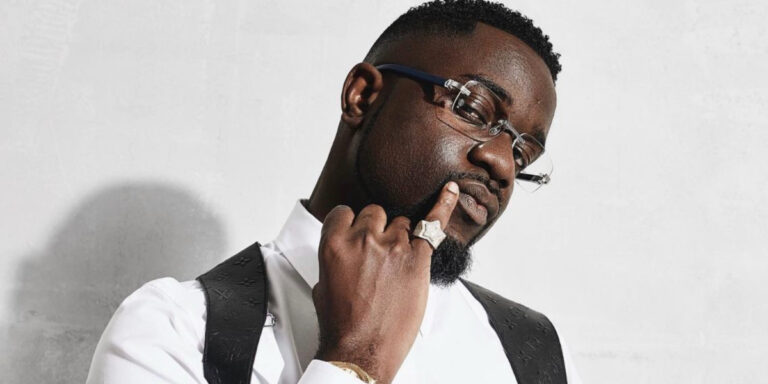
Ghanaian rapper Sarkodie, whose real name is Michael Owusu Addo, has initiated legal action against Ecobank Ghana Limited over alleged unauthorized use of his image.
According to a court document circulating online, the lawsuit was filed at the Commercial Division of the High Court in Accra.
Sarkodie claims that the bank featured an image closely resembling him in an advertisement without his permission, an act he argues constitutes a breach of his intellectual property rights.
The award-winning musician asserts that Ecobank’s use of his likeness has caused both reputational damage and financial loss.
In response, he is seeking general damages, a permanent injunction to prevent the continued use of the disputed image and a court order mandating the removal of all related promotional materials both digital and print.
As of now, Ecobank has not issued a response to the claims.
Ghanaian rapper Sarkodie has filed a lawsuit against Ecobank Ghana at the Commercial Division of the High Court, accusing the bank of using his image without consent. He is seeking damages, a perpetual injunction, and a withdrawal of all related publications. pic.twitter.com/3MaoMl9Egd
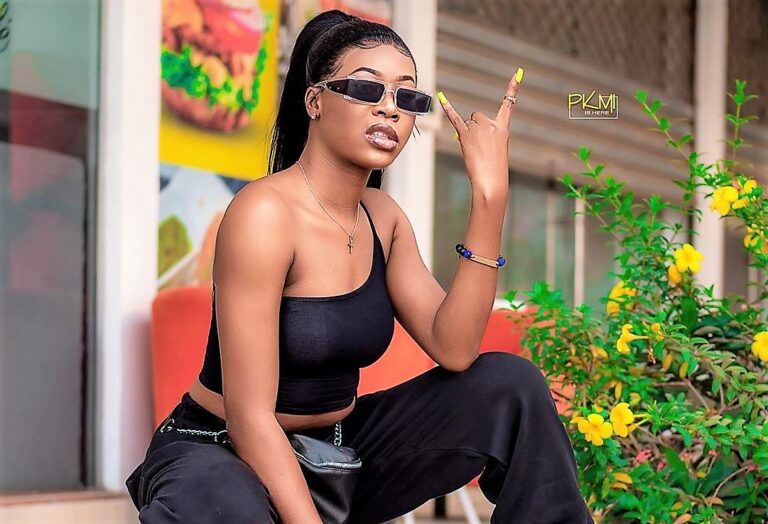
Ghanaian rapper Freda Rhymz is making a bold return to the spotlight after an extended hiatus that left many fans questioning her absence from the music scene.
Speaking candidly in an interview on Okay FM, Freda opened up about the reasons behind her break, revealing that complications stemming from her exit from a record label were a significant factor in her sudden disappearance.
“I didn’t have much of a choice. I needed time off to fix things and find my rhythm again,” she explained. “The process was long, I had to wait, resolve everything, and come back stronger.”
Freda Rhymz made waves in Ghana’s music industry with her lyrical prowess and stage presence.
Her 2022 release Don’t Kiss Me marked a brief attempt to reclaim her position, and her high-profile lyrical clash with Sista Afia momentarily reignited public interest.
However, as the buzz faded, so did Freda’s visibility in the industry.
Now, with clarity and purpose, the rapper is back with renewed energy and a determination to reclaim her spot among Ghana’s elite musical talents.
Fans and industry watchers alike are anticipating her next move, hopeful that this new chapter will be Freda Rhymz’s biggest yet.