Home Blog Page 518

US court denies Hajia4Reall bail

Ghanaian socialite Mona Faiz Montrage, also known as Hajia 4Reall, has reportedly been denied bail by the US Department of Justice.

The department cited her failure to meet the necessary requirements for her bail request.

Recall that in a recent Instagram Live update, Hajia 4Reall assured her fans and followers of her imminent return to Ghana, but unfortunately, she has since received unfortunate news.

READ ALSO: I Did Not Have A Beef With Medikal, It Was Child’s Play – Eno Barony

According to media journalist Kofi Adoma, court documents presented by United States Attorney Damian Williams from the Southern District of New York revealed that the socialite did not meet the bail standards set by the US.

Hajia 4Reall had requested the court to relax her bail conditions, allowing her to return to New York and be placed under house arrest with limited movement in her community.

However, the court stated that they would only consider relaxing her bail if she had family ties in the United States.

Furthermore, the court emphasized the weight of evidence against Hajia 4Reall and expressed concerns that granting her bail would pose a flight risk under section 3142-G of the US Justice system.

The attorney, Damian Williams, highlighted that the evidence gathered, particularly regarding her alleged involvement in a $2 million romance scam, could result in a prison sentence of four to seven years.

These recent developments introduce further uncertainty to Hajia 4Reall’s situation as she continues to face legal challenges in the United States.

READ ALSO: Peter Sedufia Calls On Government To Support The Movie Industry

I Did Not Have A Beef With Medikal, It Was Child’s Play – Eno Barony

0

Popular female rapper, Eno Barony, has talked about her issue with Medikal some years ago.

In 2020, Eno and Medikal were caught in a supposed heated beef.

She went hard on Medikal with ‘Force Dem To Paly Nonsense’.

Later, the AMG rapper claimed he wanted to hype Eno through their beef.

But speaking in an interview with Berla Mundi on TV3, Eno Barony said what happened was not beef.

READ ALSO: Peter Sedufia Calls On Government To Support The Movie Industry

She tagged it as an exchange of lyrics.

“I have not had a beef with Medikal; I have actually not had a beef with anybody in the industry yet. That was just playing playing. It was just some lyrical thing. I mean it’s just a lyrical something; back and forth. I haven’t beef yet, what you saw is normal,” Eno stated.

“When I was doing that thing, I was like brand ambassadors to some brands and stuff so there were certain things I couldn’t even say. That is why I said it’s normal. With Medikal, I didn’t say anything at all”, she added.

Peter Sedufia Calls On Government To Support The Movie Industry

0

Ghanaian filmmaker, Peter Sedufia, has called on the government to support the film industry.

He believes the tourism sector in Ghana can be boosted if the government partners with filmmakers.

The CEO of OldFilm Productions was unhappy about how subsequent governments did not show massive interest in how the tourism industry will grow.

“Truthfully, if we want to push Ghana’s tourism, then the film industry cannot be ignored. People will come to the country to see and experience what they watch in movies such as natural reserves and historical sites.

“Unfortunately, the sector is not supported to push such causes and only becomes relevant during political campaigns,” he said in a chat with Graphic Showbiz.

READ ALSO: Mabel Okyere Breaks Down In Tears As She Recounts Story Behind Her Hit Single; Anuonyam

Peter made this statement after American filmmaker Angela White, expressed her disappointment with the Government of Ghana (GoG), following the lack of support for her film projects in Ghana last year.

“I perfectly understand her disappointments, considering that she comes from a place with proper structures including sound government policies to aid their work, which is nonexistent here.

“And that is why I’ve always been blunt about my answers to questions on why I don’t do a production about Ghana. Why should I and why should that even be my foremost interest as a filmmaker and businessman?

“For me, what the audience likes is what I will give them and also give me money. If the GoG wants the story of Ghana to be told, then they should partner and fund such national projects,” Peter Sedufia added.

Sustainability In The Fashion Industry: Revolutionizing An Unsustainable Model

0

By; Raymond Effah Oduro, the CEO of Mr. Reo Fashion Home


Introduction
The fashion industry substantially impacts the development of global trends and consumer behaviour (Fletcher, 2018). However, it is essential to note that the industry in question has significant environmental and social implications on a global scale. Due to escalating concerns regarding climate change, resource depletion, and labour rights, there is an emerging need for sustainable practices to be adopted within the fashion industry.


The fashion industry’s environmental impact is significant and encompasses the complete lifecycle of a garment (Smithers, 2021). The extraction of raw materials for natural fibres, such as cotton, has been found to have significant impacts on deforestation and water availability (Nayak, 2020).

According to Smithers (2021), synthetic fibres such as polyester are associated with generating greenhouse gas emissions and contribute to the issue of plastic pollution. Moreover, it has been observed that the dyeing and finishing procedures discharge hazardous chemicals into water bodies, leading to environmental contamination and detrimental impacts on ecosystems (Nayak, 2020).

The fashion industry is known to produce significant quantities of waste, as consumers dispose of clothing at an alarming rate (Smithers, 2021).


Ethical considerations play a vital role in pursuing sustainability within the fashion industry. Labour exploitation, inadequate compensation, and hazardous working conditions are pervasive concerns, especially in countries with low-cost production (Fletcher, 2018). Instances of sweatshops and child labour have been documented in multiple regions, underscoring the imperative for equitable and secure working environments. In addition, it is worth noting that the fast fashion model within the industry encourages excessive consumption and frequent replacement, thereby perpetuating a culture of disposability and intensifying social and economic disparities (Fletcher, 2018).


The Environmental Impact


The fashion industry has a significant environmental footprint that extends throughout the lifecycle of a garment. One major source of concern is the production of raw materials. For example, conventional cotton cultivation, one of the most commonly used fibres, necessitates large amounts of water and frequently involves pesticides and fertilisers, contributing to water issues and environmental pollution (Bhardwaj, 2018). Furthermore, as land is cleared to make way for cotton fields, the expansion of cotton farming has resulted in deforestation (Smithers, 2021). Synthetic fibre production and processing, such as polyester, also contribute to environmental degradation. The extraction of fossil fuels and energy-intensive processes used in polyester production result in significant greenhouse gas emissions (Nayak, 2020). Furthermore, synthetic garment washing releases microplastics into water bodies, contributing to marine pollution (Smithers, 2021).


The manufacturing processes of the fashion industry amplify its environmental impact. Dyeing and finishing processes necessitate large amounts of water, energy, and chemicals, frequently discharged into waterways without adequate treatment, polluting ecosystems and posing health risks (Nayak, 2020). The industry is also known for its reliance on quick and inefficient production methods that waste many resources and produce much waste. In addition, the fashion industry contributes to the problem of textile waste. Overproduction, short product life cycles, and consumer disposal habits have resulted in a throwaway culture. Clothing is frequently discarded after a few uses, contributing to the waste problem. Only a small percentage of textiles are recycled, with the vast majority ending up in landfills or incineration (Smithers, 2021).
The fashion industry is increasingly adopting sustainable practices to address these environmental challenges. These include using organic or recycled materials, implementing water and energy-saving techniques, and implementing cleaner manufacturing processes (Bhardwaj, 2018). Furthermore, circular economy principles are gaining traction, emphasising the importance of extending garment lifespan through repair, resale, and rental services. The fashion industry can reduce its environmental impact and contribute to a more sustainable future by embracing sustainable practices throughout the supply chain.


Ethical Consideration


Focusing on the social and human rights dimensions of garment production, ethical considerations are a crucial aspect of the fashion industry’s sustainability. Numerous labour rights violations and unethical practices have plagued the industry, particularly in low-cost production nations. The prevalence of sweatshops, where workers endure long hours, low wages, and poor working conditions, is an important issue. Typically, these conditions result from brands and manufacturers attempting to produce clothing at the lowest possible cost (Fletcher, 2018). There are sweatshops in numerous regions, including Asia, where mass production occurs.


Another issue of concern is the use of child labour in the garment industry. Children are forced to work at a young age, robbing them of an education and a normal childhood (Fletcher, 2018). This violation of children’s rights is a major ethical issue in the fashion industry. In addition, the fast fashion model perpetuates a cycle of excessive consumption and rapid turnover, which has negative social and economic consequences. Fast fashion brands release new clothing collections at an unprecedented rate, generating a consumer demand that is perpetually trend-driven. This results in the devaluation of clothing, as garments are considered disposable and are discarded quickly (Fletcher, 2018). The emphasis on inexpensive and fashionable clothing contributes to a culture of overconsumption in which consumers buy more than they need and fail to recognise the true value of their clothing.


A shift towards ethical and fair practises is essential to address these ethical challenges. Brands and manufacturers must prioritise fair wages, safe working conditions, and workers’ rights throughout the supply chain. This requires forming partnerships with suppliers that adhere to ethical labour practices and conducting routine audits to ensure compliance. (Fletcher, 2018) Certification programmes, such as Fair Trade and Fair Wear, provide frameworks for verifying and promoting ethical standards in the fashion industry. Moreover, promoting supply chain transparency and traceability is essential.

Consumers are increasingly demanding information regarding the origins and production conditions of their clothing. Transparent brands empower consumers to make informed decisions and support ethical and sustainable business practices. By addressing these ethical concerns, the fashion industry can move towards a more socially responsible and equitable production model where workers’ rights are respected, and labour exploitation is eradicated.


A Paradigm Shift


The fashion industry has experienced a notable increase in efforts focused on advancing sustainability and addressing the adverse effects it generates. Many brands and organisations have incorporated sustainable practices into their operations. These practices include using organic or recycled materials, implementing water and energy-saving techniques, and reducing waste through recycling and upcycling (Bhardwaj, 2018). Certain companies have also adopted circular economy principles, thereby prolonging the lifespan of their products through the implementation of repair, resale, and rental services. In addition, there has been an increased focus on transparency and supply chain traceability, enabling consumers to make well-informed decisions regarding the products they buy (Laperrière, 2020).


A collaborative move and innovation


Collaboration and innovation are necessary across the entire value chain to address the industry’s complex sustainability challenges. To foster a more sustainable industry, stakeholders must collaborate to drive systemic change, including brands, manufacturers, suppliers, policymakers, and consumers. The emergence of collaborative platforms and industry coalitions has facilitated the sharing of knowledge, joint initiatives, and collective action. These platforms unite stakeholders from various industries to collaborate on sustainability objectives, share best practices, and develop industry-wide standards. Examples include the Sustainable Apparel Coalition (SAC), the Fashion Revolution, and the Make Fashion Circular initiative of the Ellen MacArthur Foundation (Niinimaki, 2020). By collaborating, stakeholders can pool resources, capitalise on expertise, and expedite progress towards sustainability.


Moreover, governments and policymakers play a crucial role in shaping the sustainability agenda of the fashion industry. They can implement regulations and policies encouraging sustainable practices, promote transparency, and hold brands accountable for their environmental and social impacts. Policy interventions may include promoting sustainable sourcing and production practices, incentivizing circular economy practices, and implementing stricter labour standards (Laperrière, 2020).
Innovation, especially technological innovation, is another important driver of sustainability in the fashion industry. Advancements in materials science, manufacturing processes, and digital solutions are reshaping clothing design, production, and consumption. Developing sustainable and innovative materials, such as recycled fibres, bio-based materials, and organic alternatives, decreases the industry’s reliance on resource-intensive and polluting materials (Niinimaki, 2020). Additionally, technological advancements allow for more efficient and environmentally friendly production techniques. Digital technologies, including 3D printing and virtual prototyping, can reduce material waste and streamline design and production processes. (Laperrière, 2020) Advanced analytics and artificial intelligence (AI) systems can optimise supply chain operations by reducing energy consumption and enhancing resource management.


In addition, digital platforms and e-commerce have made sustainable consumption more accessible. Online marketplaces for pre-owned fashion, rental services, and clothing exchanges are gaining popularity, allowing consumers to extend the lifespan of garments and decrease the demand for new products. Digital tools like blockchain technology can improve the supply chain’s transparency, traceability, and authentication, allowing consumers to make more informed and ethical purchasing decisions (Niinimaki, 2020). By fostering collaboration and embracing innovation, the fashion industry can facilitate a revolutionary shift towards sustainability. Collaboration enables collective action and knowledge sharing, while innovation provides the necessary tools and solutions to address sustainability challenges. They have the potential to reshape the industry and create a more sustainable and accountable fashion ecosystem.


Conclusion


Pursuing sustainability within the fashion industry requires a comprehensive and all-encompassing approach. The industry can progress towards a more sustainable trajectory by considering the environmental consequences, ethical implications, and promoting collaboration and innovation. Consumer awareness and demand are pivotal in instigating change and motivating brands to embrace responsible practices. By consistently exerting efforts and demonstrating a steadfast dedication to sustainability, the fashion industry possesses the potential to undergo a significant transformation, thereby assuming a role as a catalyst for favourable environmental and social outcomes.

Mabel Okyere Breaks Down In Tears As She Recounts Story Behind Her Hit Single; Anuonyam

0

Ghanaian Gospel artiste Mabel Okyere cried on set as she recounted the story behind her hit single ‘Anuonyam.’

Speaking with OPD on Adom 106.3, the gospel minister indicated that even though she is not the songwriter, she connects with the song on a deeper level because it tells her personal story.

“I believe God gave the song to Nana Boateng (songwriter) to give to me because it tells my life’s story. I went through a lot after my 2018 song release.

The doctors named many diseases. I thought I’d die, but God had a plan for me. I recorded the song, but it’s tough to fully listen to it because I cry whenever I hear it,” she said amid tears.

READ ALSO: Sista Afia Quickly Reacts To Allegation Of Sleeping With Kwadwo Nkansah Lilwin Because Of Money

‘Anuoynam’ has been trending on social media with the hashtag Ahayekwanho. Many Ghanaian celebrities and fans have expressed their love for the song by posting videos online.

‘Anuonyam’ is available on all digital streaming platforms; YouTube, Apple Music, Audiomack Boomplay, etc.

Kindly follow her on all social media platforms; Mabel Okyere

YouTube:

Boomplay:
https://www.boomplay.com/share/music/126958022?srModel=COPYLINK&srList=IOS

Spotify:
https://open.spotify.com/track/5rd5XItkeDXrF3TpQlwz54?si=WtQ9CIwbQUSNgHZS2myCaA

Audiomack:
https://audiomack.com/mabel-okyere/song/anuonyam?share-user-id=48079362

Sista Afia Quickly Reacts To Allegation Of Sleeping With Kwadwo Nkansah Lilwin Because Of Money

0

Ghanaian songstress, Sista Afia has expressed shock over some allegations that have started to fester on social media.

The ‘Weather’ hitmaker shared a story written and published on Opera Mini’s writer hub that alleged that she has been sleeping with famous Kumawood actor and musician, Kwadwo Nkansah Lilwin for some time now.

Scent Of Africa Launches New Fragrances in Abidjan in Collaboration with ZINO Boutique

0

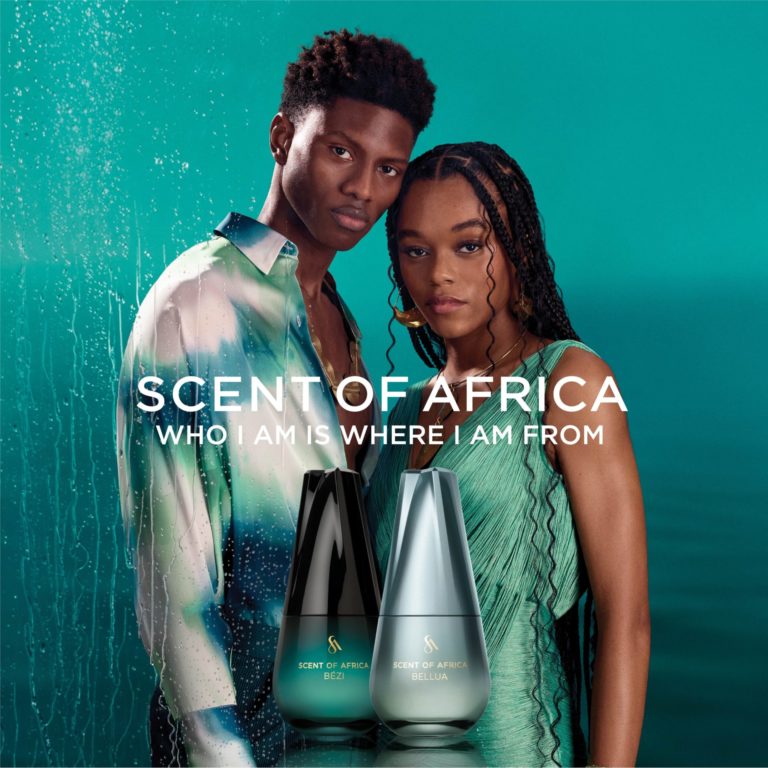
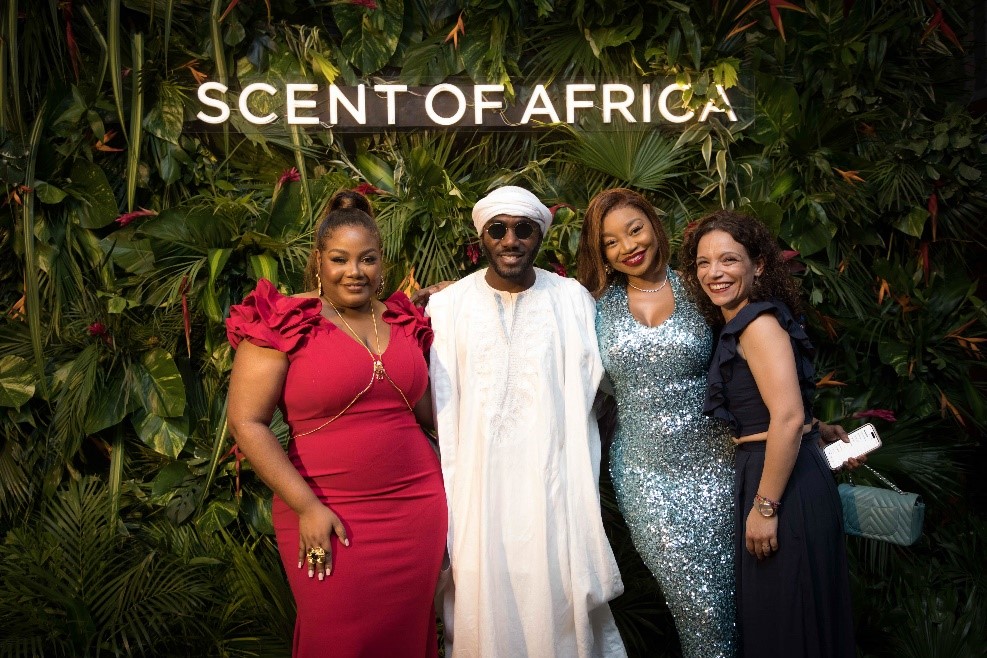
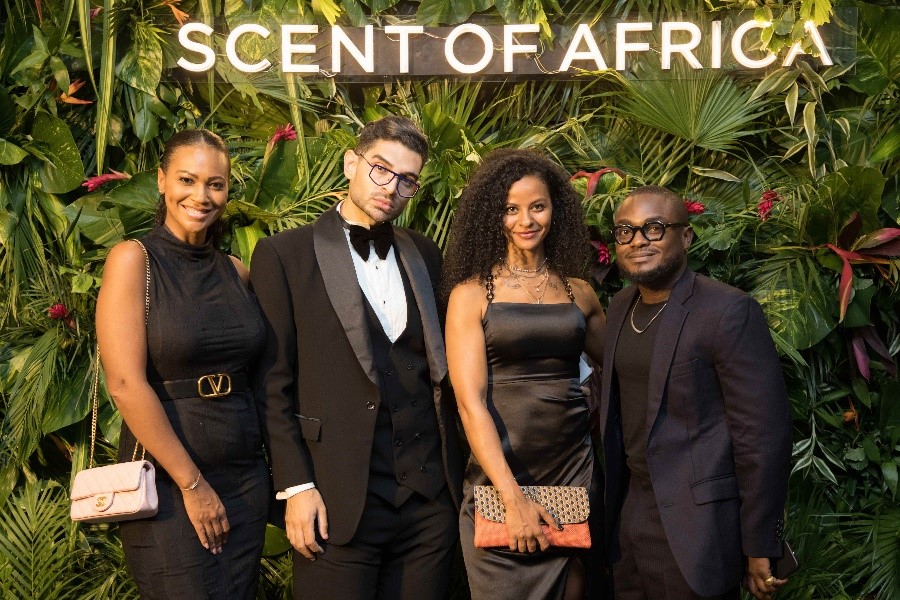
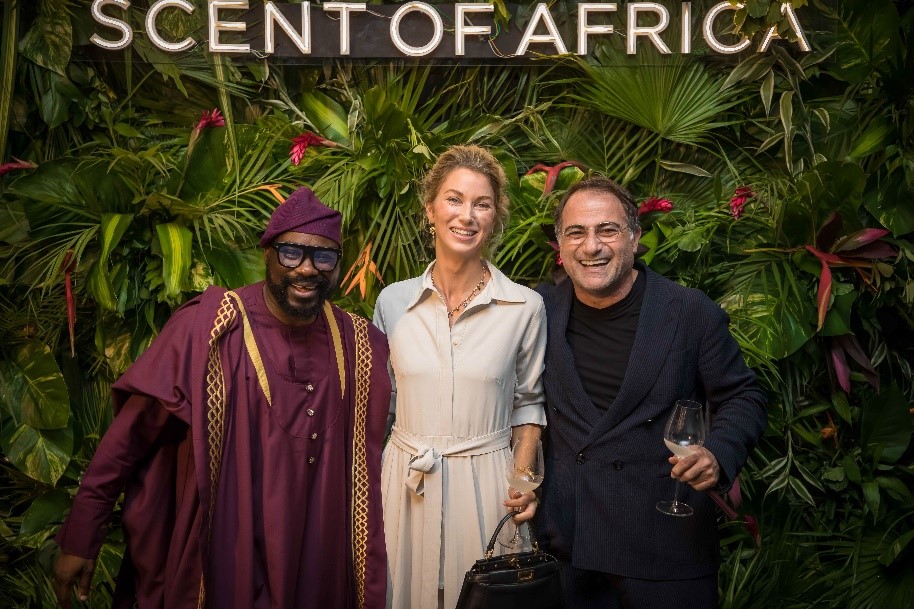
Africa’s first fine fragrance house, SCENT OF AFRICA, in expanding its footprint, announced its partnership with the esteemed ZINO Boutique in Abidjan, Côte d’Ivoire.

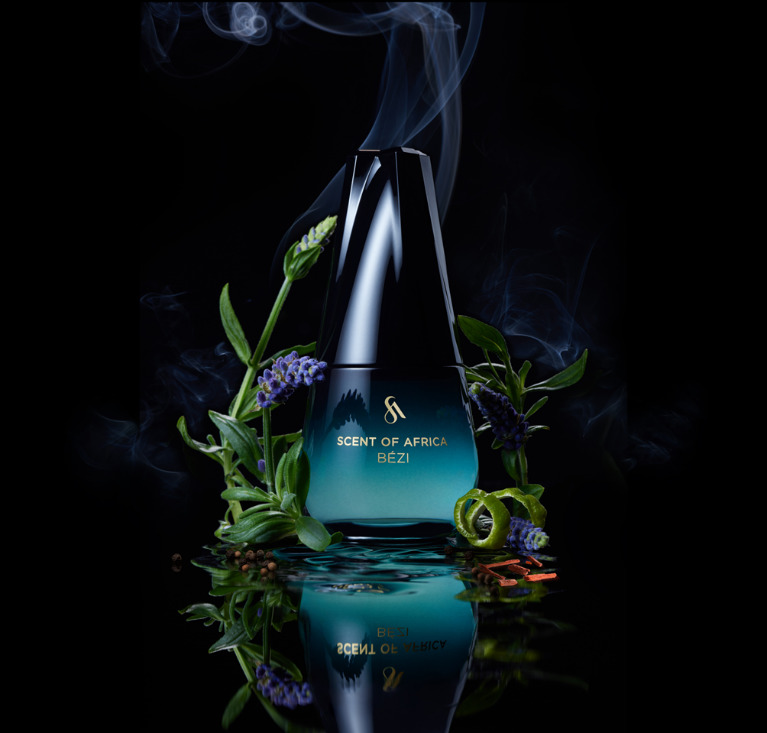
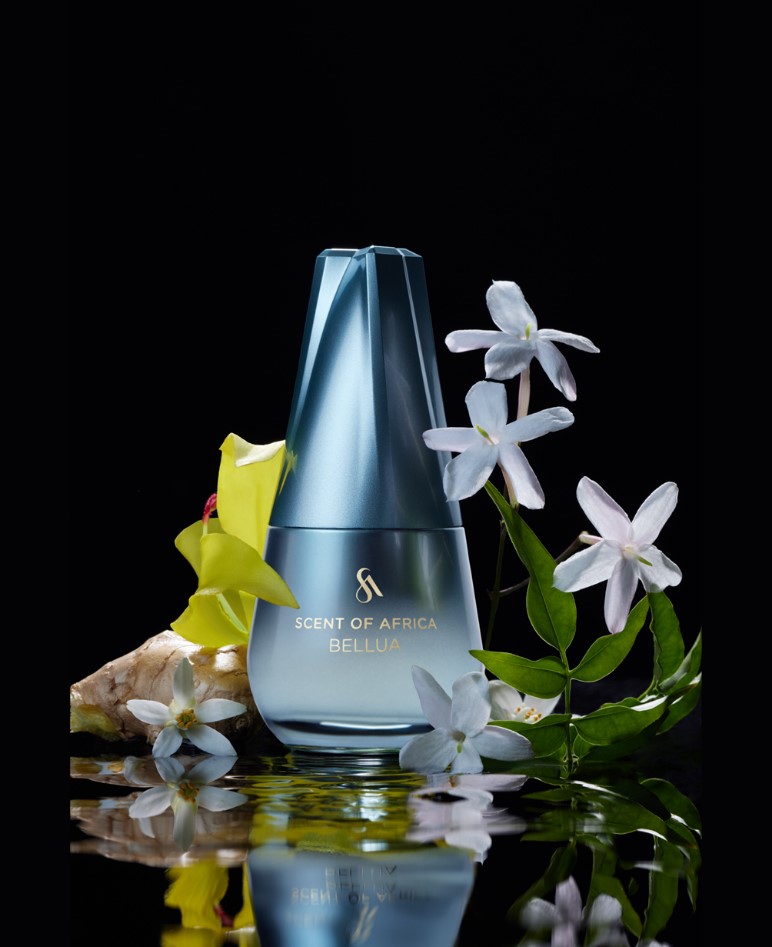
The brand unveiled its latest fragrance duo, BÉZI (for men) and BELLUA (for women), the third chapter from the Eternal Legends Collection inspired by legends in African mythology.

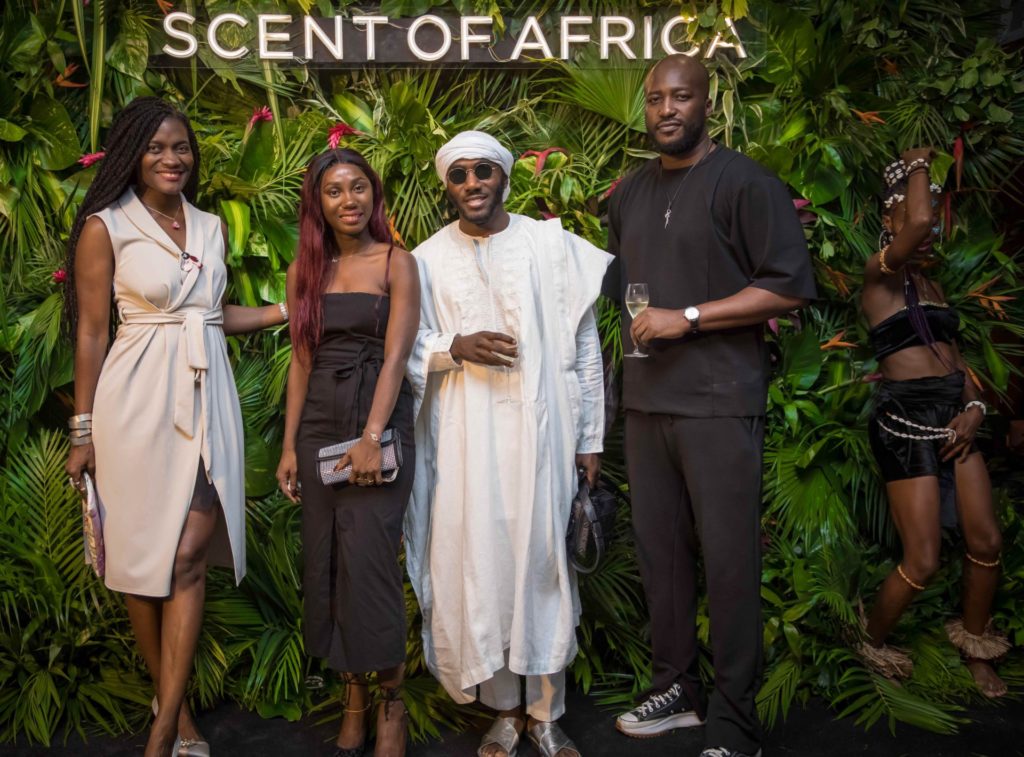
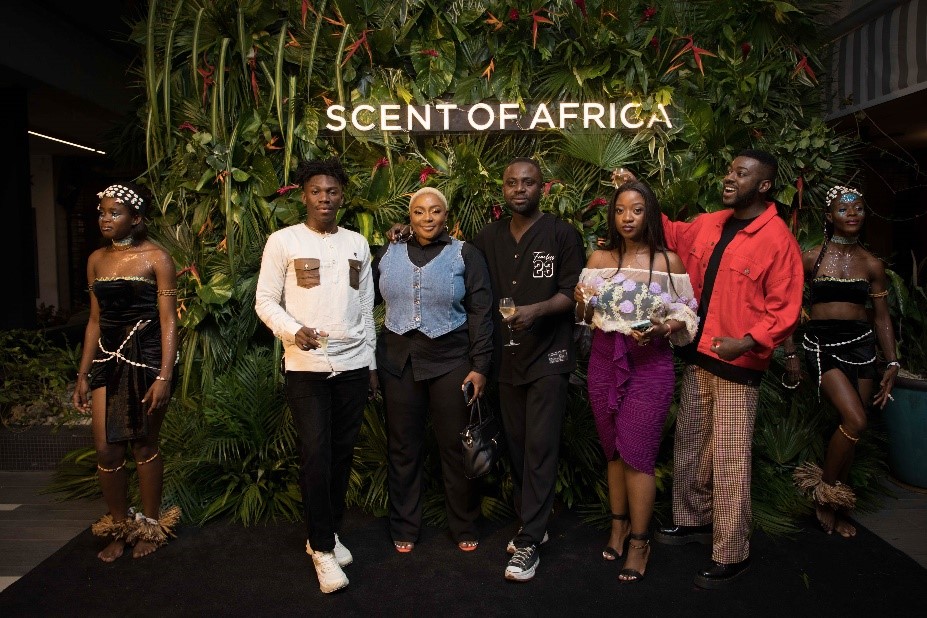
The highly anticipated event after the successful launch of the first two fragrance duos Rakh & Nefee, Hagé & Laïka, took place at the exquisite Gina by Zanoni restaurant in Abidjan, Côte d’Ivoire. The venue was adorned with beautiful floral and vegetation arrangements, reflecting the essence of the new duo, Bézi and Bellua. The master of ceremonies for the event was Deborah Mutund, distinguished TV presenter and influential figure in the world of social media.

Incoming guests were captivated by the enchanting melodies of a Kora player at the entrance, as well as an enthralling welcome dance that set the stage for an unforgettable experience.

Bézi, Eau De Parfum is a woody marine scent, co-created by Olivier Pescheux and Jacques Huclier. Bézi is the embodiment of Nyami Nyami, the powerful god of the Zambezi River. This fragrance captures the exhilarating freshness and courageous spirit of the deity. Just as the river adapts to change, Bézi diffuses a straightforward, intense, and powerful aura, with captivating African ingredients including black pepper from Madagascar, Egyptian geranium and Somali incense.

Bellua Eau De Parfum co-created by Perfumers Delphine Lebeau and Nelly Hachem-Ruiz is an aquatic fruity floral scent. Bellua pays tribute to Bele Alua, the tree guardian from Ghana, emphasizing the significance of forests in nurturing life. The Bellua woman, known for her generosity and radiant beauty, exudes natural charm and captivating allure. Key ingredients from the continent in its formation include Madagascan tagetes, ginger and ylang-ylang, as well as jasmine from Egypt.

Guests immersed themselves in the stories of the legends through the fragrance sampling experience at a dedicated fragrance bar, where the entire Eternal Legends Collection was showcased, with a special emphasis on the alluring Bézi and Bellua.

Complementing the evening, were curated Bézi and Bellua -inspired cocktails crafted to highlight the ingredients of these exceptional fragrances. The highlight of the evening was the exclusive unveiling of the adverts for Bézi and Bellua. For the first time, SCENT OF AFRICA embodies the heroes of its fragrances with the Bézi man and the Bellua woman, providing the guests with a glimpse into the captivating stories and personalities behind these perfumes.

Tanal Ghandour, Founder of SCENT OF AFRICA said “Bézi and Bellua, typical of the Eternal Legends Collection, represent a true sensory celebration, blending the rich cultural heritage and captivating essence of the African continent into mesmerizing fragrances. This collaboration with ZINO Boutique, a prominent name in the industry, brings to life our shared passion for elegance, innovation, and excellence.”

Commenting on their partnership with SCENT OF AFRICA, M. Charan Daswani, the Operations Director at ZINO Boutique said “We are delighted to join forces with SCENT OF AFRICA. Delighted to have the first African fine fragrance brand in our stores. Together, we aim to redefine the fragrance landscape offering our discerning customers an unparalleled sensory experience that transcends boundaries.”

Following the launch, SCENT OF AFRICA is now also available in Côte d’Ivoire at ZINO Cap Sud Boutique and at Dufry, located at Félix-Houphouët-Boigny International Airport. Discover more about SCENT OF AFRICA at www.scentofafrica.com and follow @scentofafrica on social media.

About Scent of Africa:

Scent of Africa is fine fragrance house made in Ghana. It is made locally using ingredients to shine a spotlight on African ingenuity worldwide. Scent of Africa pays tribute to African culture by drawing inspiration from legends in African mythology for its perfumes and giving tradition a contemporary interpretation.

About Zino Boutique

Zino Boutique is a renowned family-owned company specializing in the distribution of luxury products in Côte d’Ivoire. With a history spanning over 43 years, Zino Boutique has established itself as a premier destination for discerning customers seeking exquisite luxury goods.

Founded in 1980 by Daswani Ram, Zino Boutique originated as a pioneering cigar cellar, driven by a passion for cigars and a commitment to offering the finest selection in West Africa. In a momentous occasion, the store was inaugurated by the legendary Mr. Zino Davidoff, leading to the adoption of the name Zino, symbolizing the brand’s devotion to luxury.

Today, Zino Boutique has expanded its presence to encompass more than 19 stores strategically located in Cap Sud, Cap Nord, Cosmos, Sofitel, Plateau, and Rue des Jardins. This extensive network allows customers to explore a diverse range of luxury products, including watches, perfumes, skincare, makeup, jewellery, leather goods, and cigars, both in multi-brand and mono-brand environments.

Zino Boutique is committed to providing each customer with a unique and unforgettable experience, guided by the core values that define their brand: love & passion, excellence, teamwork, and customer obsession. With an unwavering dedication to delivering exceptional products and personalized service, Zino Boutique remains a trusted purveyor of luxury in Côte d’Ivoire.

“I’ll never divorce my husband even if he cheats on me” – Piesie Esther reveals

Award-winning Ghanaian gospel diva, Piesie Esther, has expressed her unwavering commitment to her marriage, stating that she would never consider divorce due to infidelity.

According to Piesie Esther, even if her husband was to stray and father a child outside their marriage, she would choose to embrace the child and provide him or her with love and care by adopting him or into their family.

READ ALSO: “I last longer in bed because I walk barefooted” – Wanlov claims (Video)

“What else can I do? It has already happened so I will adopt the child and take care of him or her. I’ll not divorce my husband.”

Although Piesie Esther is open to forgiveness and accepting of her husband’s infidelity, she agrees that doing so will not be easy.

“It won’t be easy. Such a situation will give you a shock, it will really give you a big shock. When you trust that your husband will not do such a thing and I get to realize something of that sort has happened I will be shocked,” she emphasized.

READ ALSO: I’ve never committed abortion – Gospel star, Piesie Esther reveals

“I last longer in bed because I walk barefooted” – Wanlov claims (Video)

Controversial Ghanaian musician, Wanlov The Kubolor has exclusively revealed the many benefits walking barefoot has come with.

READ ALSO: I’ve never committed abortion – Gospel star, Piesie Esther reveals

In a new interview with blogger Sammy Kay, Wanlov alleged that walking barefoot has helped him both spiritually and sexually.

According to him, spiritually, he has been able to escape a lot of curses by walking barefoot.

If they curse me it doesn’t work,” he said while adding that “sexually I’m able to last longer in bed. I can last for 1hr in the first round.”

READ ALSO: Alot of my age mates don’t have what I have at age 20 -Yaw Tog brags (video)

READ ALSO: Anyone Who Does Not Believe In Judgement Day Is A Big Fool – McAbraham

I’ve never committed abortion – Gospel star, Piesie Esther reveals

The topic of abortions has gained significant attention following the release of Yvonne Nelson’s memoir.

Amidst the discussions, Gospel singer Piesie Esther has openly stated that she has never undergone an abortion.

As public discourse surrounding the sensitive issue of abortions continues, Piesie Esther has taken the opportunity to share her personal experience.

READ ALSO: Alot of my age mates don’t have what I have at age 20 -Yaw Tog brags (video)

In an interview with Fiifi Pratt on Kingdom FM, the gospel star firmly stated that she has never made the choice to terminate a pregnancy.

According to her, “that has never happened in my life. I gave birth to the babies I got pregnant with. I now have four kids.”

Piesie Esther’s statement reflects her values and beliefs, highlighting her commitment to upholding the sanctity of life.

By openly addressing the topic and sharing her personal stance, she contributes to the ongoing conversations surrounding reproductive choices.

While Yvonne Nelson’s memoir has sparked widespread discussions, Piesie Esther’s declaration provides a contrasting perspective, shedding light on the diversity of opinions and experiences surrounding the subject of abortions.

READ ALSO: Anyone Who Does Not Believe In Judgement Day Is A Big Fool – McAbraham